


ProfessorDepartment of Physics, Chung-Ang University
- Professor
-
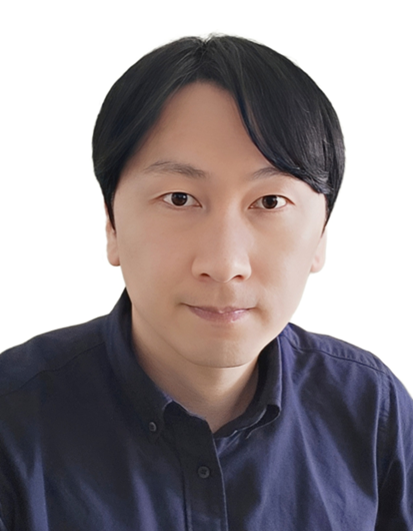
· 성명: 전건록 / Kun-Rok Jeon
· 직위 : 부교수 / Associate Professor
· E-mail : kunrokjeon@cau.ac.kr
· Tel : 02-820-5131
· 담당 교과목 : 물리학의 역사와 철학, 현대물리학, 고급양자역학
· 홈페이지 : https://jeonkunrok.wixsite.com/sqs-lab
· 직위 : 부교수 / Associate Professor
· E-mail : kunrokjeon@cau.ac.kr
· Tel : 02-820-5131
· 담당 교과목 : 물리학의 역사와 철학, 현대물리학, 고급양자역학
· 홈페이지 : https://jeonkunrok.wixsite.com/sqs-lab
성명: 전건록 / Kun-Rok Jeon
· 직위 : 부교수 / Associate Professor
· E-mail : kunrokjeon@cau.ac.kr
· Tel : 02-820-5131
· 담당 교과목 : 물리학의 역사와 철학, 현대물리학, 고급양자역학
· 홈페이지 : https://jeonkunrok.wixsite.com/sqs-lab
· 직위 : 부교수 / Associate Professor
· E-mail : kunrokjeon@cau.ac.kr
· Tel : 02-820-5131
· 담당 교과목 : 물리학의 역사와 철학, 현대물리학, 고급양자역학
· 홈페이지 : https://jeonkunrok.wixsite.com/sqs-lab
· 약력
2026/03 ~ 현재 중앙대학교 물리학과 부교수
2022/03 ~ 2026/02 중앙대학교 물리학과 조교수
2019/09 ~ 2022/02 MPI/Halle Humboldt 경력 연구원
2016/06 ~ 2019/08 Univ. Cambridge EPSRC 박사후 연구원
2015/09 ~ 2016/05 KIST 박사후 연구원
2013/03 ~ 2015/03 AIST JSPS 박사후 연구원
2007/03 ~ 2013/02 KAIST 이학박사 (자성체 물리 실험)
2000/03 ~ 2007/02 경희대 (KHU) 물리학과 학사
· 연구분야
Research area: Experimental condensed matter physics (응집물질물리학, 실험)
Superconducting spintronics represents a promising frontier in research, blending the unique properties of superconductors with spin-based electronics. This emerging field aims to create innovative technologies that offer non-dissipative operation and efficient manipulation of spin for logic and memory applications. Our study thus focuses on key components of superconducting spintronics: spin-polarized triplet supercurrents, equilibrium spin-transfer torque, and non-volatile anomalous phase shift.
1) Spin-Polarized Triplet Supercurrents:
In traditional superconductors, Cooper pairs consist of electrons with opposite spins, forming a spin-singlet state. In superconducting spintronics, efforts are focused on generating and manipulating spin-polarized triplet supercurrents. These involve Cooper pairs where both electrons have parallel spins, enabling spin-dependent transport and functionalities.
2) Equilibrium Spin-Transfer Torque:
Spin-transfer torque refers to the transfer of angular momentum between spin-polarized currents and magnetic moments. In superconducting spintronics, equilibrium spin-transfer torque mechanisms are explored, which can lead to efficient control and manipulation of spin orientations without dissipative losses. This torque can influence the dynamics of magnetic moments and thus enable novel ways of storing and processing information.
3) Non-Volatile Anomalous Phase Shift:
Anomalous phase shifts refer to unconventional changes in the phase of superconducting order parameters induced by spin-polarized currents or magnetic interactions. In superconducting spintronics, these phase shifts can result in non-volatile states that retain information without continuous power consumption, akin to the persistent currents in superconducting circuits but with spin-related characteristics.
These components collectively pave the way for realizing advanced spin-based logic and memory technologies with unprecedented efficiency and functionality. By harnessing the synergy between superconductivity and spintronics, we aim to overcome current limitations in conventional semiconductor-based technologies, potentially leading to faster, more energy-efficient, and scalable devices for future electronics.
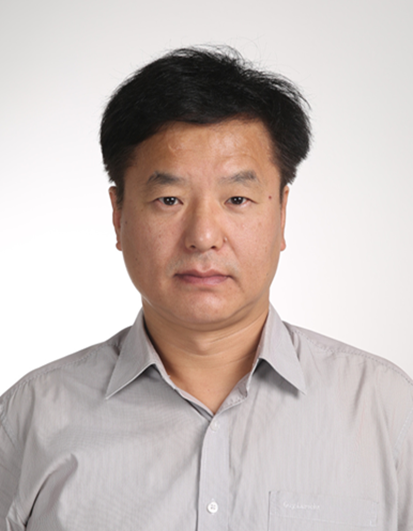
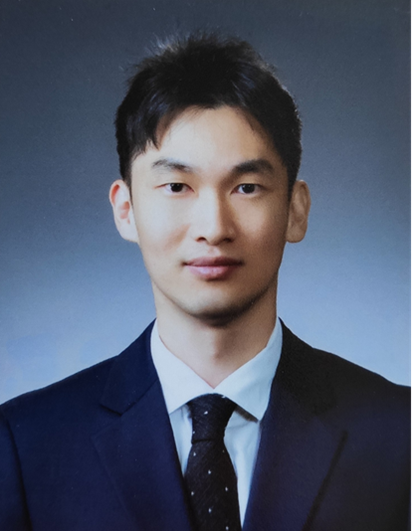
· 성명: 김건우 / Kun Woo Kim
· 직위 : 부교수 / Associate Professor
· E-mail : kunx@cau.ac.kr
· Tel : 02-820-5139
· 직위 : 부교수 / Associate Professor
· E-mail : kunx@cau.ac.kr
· Tel : 02-820-5139
· 성명: 김민우 / Minu Kim
· 직위 : 조교수 / Assistant Professor
· E-mail : minukim@cau.ac.kr
· Tel : 02-820-5284
· 직위 : 조교수 / Assistant Professor
· E-mail : minukim@cau.ac.kr
· Tel : 02-820-5284
· 성명: 박순용 / Soon Yong Park
· 직위 : 부교수 / Associate Professor
· E-mail : sypark@cau.ac.kr
· Tel : 02-820-5191
· 직위 : 부교수 / Associate Professor
· E-mail : sypark@cau.ac.kr
· Tel : 02-820-5191
· 성명: 서재민 / Jaemin Seo
· 직위 : 부교수 / Associate Professor
· E-mail : jseo@cau.ac.kr
· Tel : 02-820-5169
· 직위 : 부교수 / Associate Professor
· E-mail : jseo@cau.ac.kr
· Tel : 02-820-5169
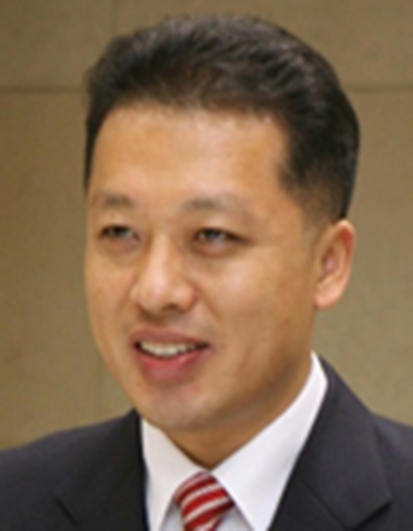
· 성명: 성맹제 / Maeng-Je Seong
· 직위 : 교수 / Professor
· E-mail : mseong@cau.ac.kr
· Tel : 02-820-5190
· 직위 : 교수 / Professor
· E-mail : mseong@cau.ac.kr
· Tel : 02-820-5190

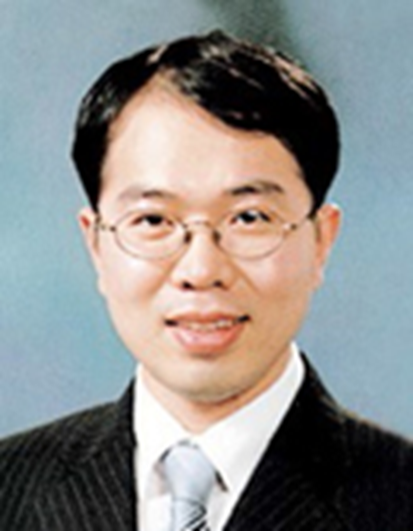
· 성명: 송광용 / Kwang Yong Song
· 직위 : 교수 / Professor
· E-mail : songky@cau.ac.kr
· Tel : 02-820-5834
· 직위 : 교수 / Professor
· E-mail : songky@cau.ac.kr
· Tel : 02-820-5834
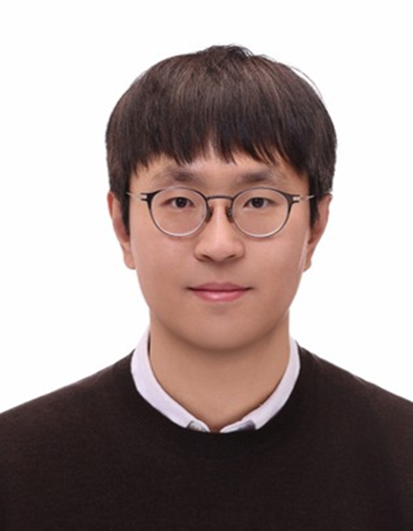
· 성명: 이경필 / Kyeongpil Lee
· 직위 : 조교수 / Assistant Professor
· E-mail : kyeongpillee@cau.ac.kr
· Tel : 02-820-5860
· 직위 : 조교수 / Assistant Professor
· E-mail : kyeongpillee@cau.ac.kr
· Tel : 02-820-5860
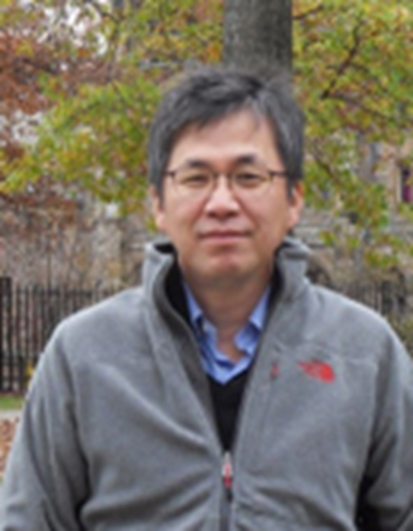
· 성명: 이상권 / Sang Kwon Lee
· 직위 : 교수 / Professor, 학과장 / Department Chair
· E-mail : sangkwonlee@cau.ac.kr
· Tel : 02-820-5455
· 직위 : 교수 / Professor, 학과장 / Department Chair
· E-mail : sangkwonlee@cau.ac.kr
· Tel : 02-820-5455
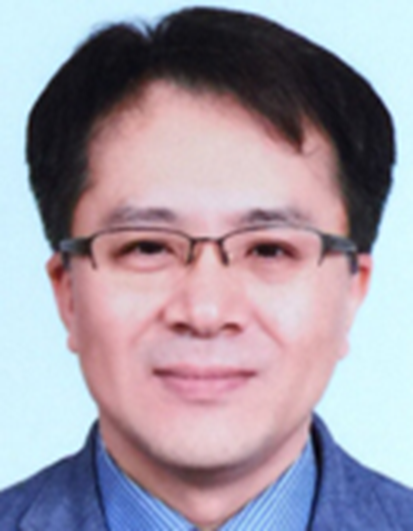
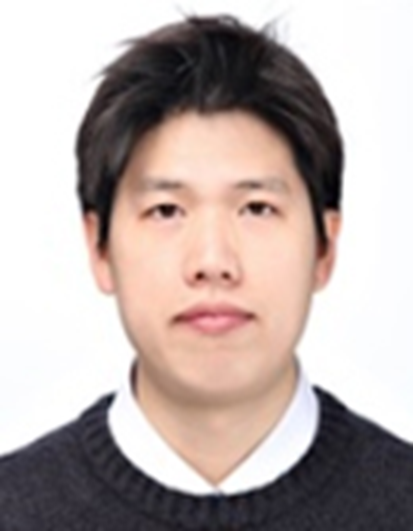
· 성명: 장서형 / Seo Hyoung Chang
· 직위 : 교수 / Professor
· E-mail : cshyoung@cau.ac.kr
· Tel : 02-820-5215
· 직위 : 교수 / Professor
· E-mail : cshyoung@cau.ac.kr
· Tel : 02-820-5215
· 성명: 전건록 / Kun-Rok Jeon
· 직위 : 부교수 / Associate Professor
· E-mail : kunrokjeon@cau.ac.kr
· Tel : 02-820-5131
· 직위 : 부교수 / Associate Professor
· E-mail : kunrokjeon@cau.ac.kr
· Tel : 02-820-5131
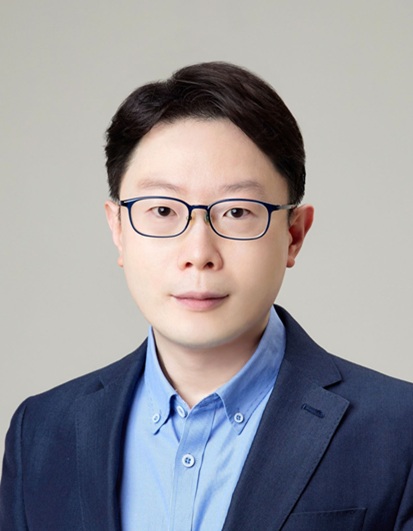
· 성명: 전상준 / Sangjun Jeon
· 직위 : 부교수 / Associated Professor
· E-mail : jsangjun@cau.ac.kr
· Tel : 02-820-5194
· 직위 : 부교수 / Associated Professor
· E-mail : jsangjun@cau.ac.kr
· Tel : 02-820-5194
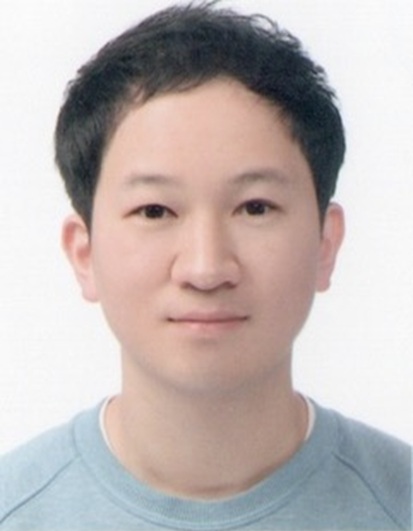
· 성명: 조광희 / Kwanghee Cho
· 직위 : 조교수 / Assistant Professor
· E-mail : hikaru8625@cau.ac.kr
· Tel : 02-820-6803
· 직위 : 조교수 / Assistant Professor
· E-mail : hikaru8625@cau.ac.kr
· Tel : 02-820-6803
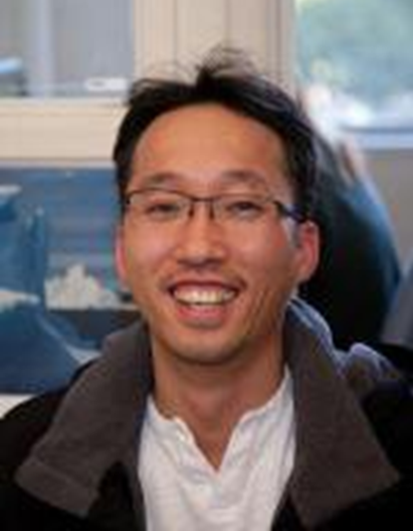
· 성명: 하창현/Chang Hyon Ha
· 직위 : 부교수 / Associate Professor
· E-mail : chha@cau.ac.kr
· Tel : 02-820-5236
· 직위 : 부교수 / Associate Professor
· E-mail : chha@cau.ac.kr
· Tel : 02-820-5236
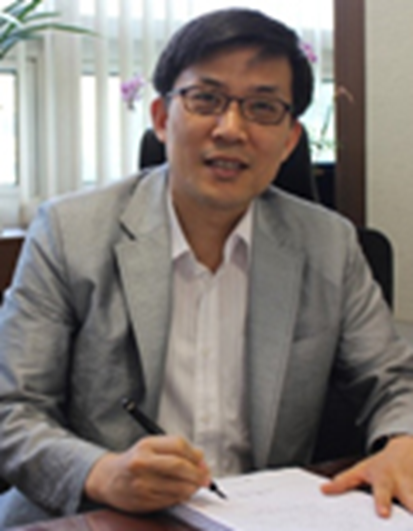
· 성명: 한상준 / Sang June Hahn
· 직위 : 명예교수 / Emeritus Professor
· E-mail : sjhahn@cau.ac.kr
· Tel : 02-820-5222
· 직위 : 명예교수 / Emeritus Professor
· E-mail : sjhahn@cau.ac.kr
· Tel : 02-820-5222
· 성명: 양해석 / Haesuk Yang
· 직위 : 명예교수 / Emeritus Professor
· E-mail : hsyang@cau.ac.kr
· Tel : 02-820-5189
· 직위 : 명예교수 / Emeritus Professor
· E-mail : hsyang@cau.ac.kr
· Tel : 02-820-5189
· 성명: 최인환 / Inhwan Choi
· 직위 : 명예교수 / Emeritus Professor
· E-mail : ihchoi@cau.ac.kr
· Tel : 02-820-5189
· 직위 : 명예교수 / Emeritus Professor
· E-mail : ihchoi@cau.ac.kr
· Tel : 02-820-5189
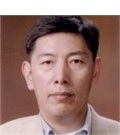
· 성명: 이춘식 / Chunsik Lee
· 직위 : 명예교수 / Emeritus Professor
· E-mail : cslee@cau.ac.kr
· Tel : 02-820-5189
· 직위 : 명예교수 / Emeritus Professor
· E-mail : cslee@cau.ac.kr
· Tel : 02-820-5189

Tel : 02-820-5189
Fax : 02-825-4988-

About the
Department
CAU
Portal
CAU
Community
Professor 
Seminar 
Rainbow
System

- 서울특별시 동작구 흑석로 84(중앙대학교 물리학과)
Tel: 02-820-5189 | Fax: 02-825-4988 | E-mail : cauphys@gmail.com
- 개인정보처리방침
서울특별시 동작구 흑석로 84(중앙대학교 물리학과)
Tel: 02-820-5189 | Fax: 02-825-4988 | E-mail : cauphys@gmail.com